
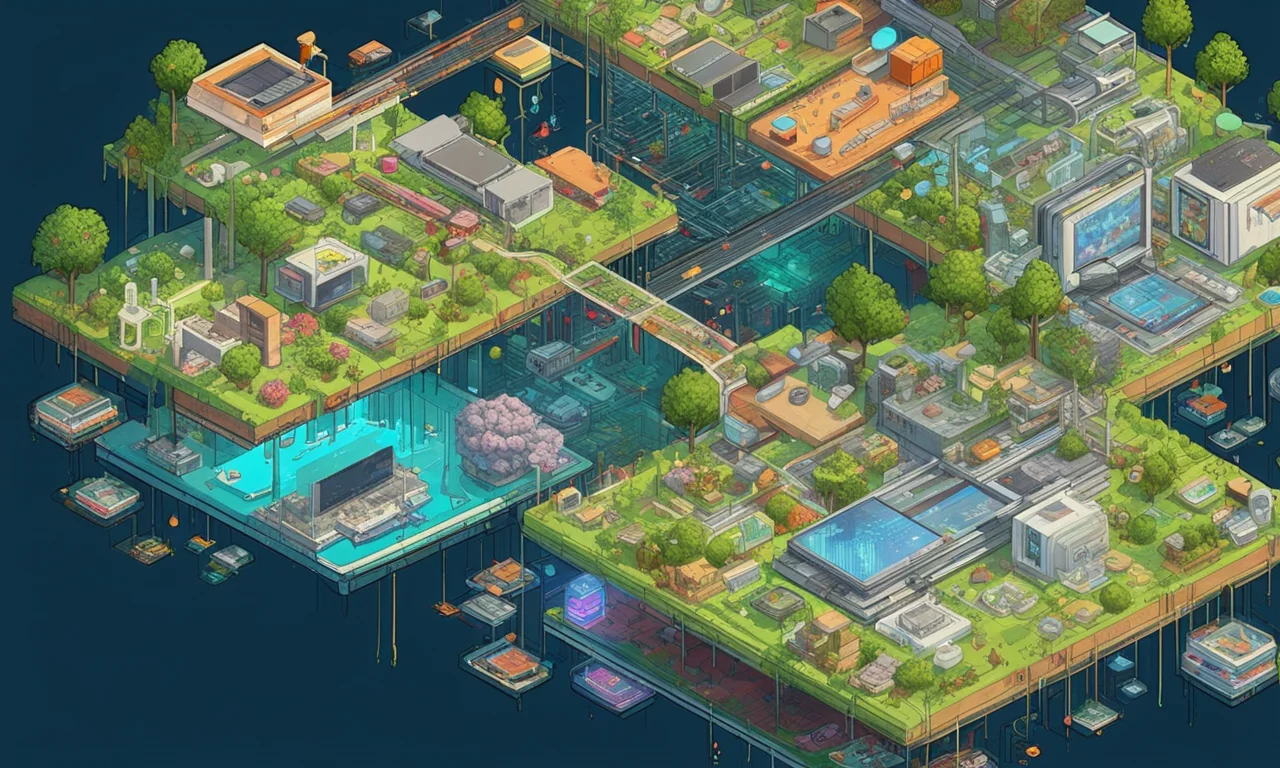
Fan Innovation and AI Drive Transformation in Game Development
The surge in creative modding and AI integration is reshaping how games are built and experienced.
The #gaming conversation on X today delivers a vivid snapshot of community passion, innovation, and nostalgia, driven by both creative modding and emotional ties to classic formats. The trending topics highlight how rapidly evolving technology is reshaping game development, while gamers continue to champion the value of physical media and retro experiences.
Modding, AI, and the Next Frontier in Game Creation
Game modification and creation dominate the day's discourse, as seen in the surge of interest around the Pokémon Blue recomp project, which features full 3D voxel mods and PC support. This wave of fan-driven innovation is echoed in the launch of Super Mario Sunset, a total conversion mod that reimagines a beloved classic, and in the development of platforms like 9bit, which promise to transform any random idea into a playable game. These efforts point to a democratization of gaming creativity, where the boundary between player and developer is rapidly dissolving.
"What if every random idea could become a game today? That's the question we keep asking ourselves. What's the first game you'd build?"- the9bit (45 points)
Artificial intelligence also features prominently, with posts like Teaching AI to Dominate in Super Smash Bros Melee and explorations of full-body tracking in VR showing how new tech is fueling both gameplay and development breakthroughs. The enthusiasm for experimentation and modding signals a community eager to push boundaries, whether in classic Nintendo universes or innovative VR platforms.
Retro Gaming, Physical Media, and Community Nostalgia
While modding and AI innovation headline the discussion, nostalgia for physical gaming and retro formats continues to resonate. Tweets such as Physical games just hit different and the evocative cosplay from Streets of Rage underscore the emotional connection players feel towards tangible media and classic titles. The allure of collecting, the ritual of unboxing, and the security of ownership are recurring motifs, reinforcing why physical editions remain prized in an era of digital consumption.
"Physical games just hit different. A case on the shelf, artwork in your hands, and no fear of losing access—call it nostalgia or call it collecting."- Sofia Mellor (74 points)
Retro-inspired experiences also feature in indie releases, with games like Agefield High: Rock the School evoking memories of early-2000s after-school gaming, and co-op horror titles such as Give Us A Sign innovating within familiar genres. The celebration of both past and present illustrates how nostalgia and innovation are not mutually exclusive, but rather fuel a vibrant, multi-generational gaming culture.
Fragility of Gaming Services and the Social Pulse
Beyond creativity and nostalgia, the community is acutely aware of the infrastructure challenges underlying modern gaming. The outage reported in XBOX IS DOWN NOW!! serves as a reminder of the fragility of digital platforms, sparking concern over access, ownership, and the reliability of online services. These disruptions highlight the growing dependency on corporate networks and the impact of downtime on gamer satisfaction.
"Gaming is very fragile right now, and these services going down and not being able to play the games we own is not helping right now."- SoundsNerdy (207 points)
Meanwhile, posts like Would you agree to take me... as your personal trainer? bring a playful, community-driven energy, blending cosplay and gaming culture, while discussions around voice-driven co-op horror and VR full-body tracking alternatives keep the conversation dynamic. As the social pulse beats through both technical issues and creative expression, the #gaming community remains as engaged and resilient as ever.
Excellence through editorial scrutiny across all communities. - Tessa J. Grover