
Nostalgia and Innovation Reshape the Gaming Industry Amid Existential Fears
The resurgence of classic titles and AI-driven enhancements spark debate as post-apocalyptic themes gain traction.
Gaming discourse on X today is a cocktail of nostalgia, anticipation, and existential dread—three pillars that define both the culture and the industry. From the frantic resurrection of classics to the existential melancholy of post-apocalyptic landscapes, the #gaming hashtag is a mirror reflecting our collective obsessions and anxieties. But beneath the surface-level hype and celebration, there's a deeper narrative: today's gamers are torn between longing for the past, grappling with tech-driven transformation, and speculating about the future.
Retro Revival and the Persistence of Classic Gaming
The resurgence of retro gaming is more than a trend; it's a stubborn refusal to let go of a golden age. The spotlight shines brightly on classic titles, with Dino Crisis returning DRM-free on GOG and the daily retro challenge posed by Falcon's Daily Classic 97. It's not just about reliving memories—it's about reclaiming agency in a digital world that often feels ephemeral.
"Looks really cool. Mario 2 gameplay?"- FunKat Comix (2 points)
Yet, this nostalgia is under siege by the relentless advance of technology. The debate ignited by AI-driven emulation and FPGA cores exposes a rift: can innovation coexist with reverence for the classics, or does it threaten to dilute the authenticity of our favorite games? The update for Twilight Princess Dusk's PC port, boasting 4K textures and technical fixes, demonstrates how modern enhancements can breathe new life into beloved titles without erasing their original spirit.
"If using AI can help streamline and get decomps and ports out quicker, I'm all for it."- Keith Foster (8 points)
Anticipation and Community in Modern Gaming
If nostalgia anchors us, anticipation propels us forward. The feverish hype surrounding Forza Horizon 6's imminent release is palpable, with users quantifying their excitement and sharing personal investment—like the staggering 550+ hours spent in Forza Horizon 5. This is the language of modern gaming: measurable devotion, social competition, and digital camaraderie.
"I'm already playing, this is sensational !!"- Old_Brush (2 points)
Elsewhere, concept art for new titles like Gigabash's kaiju designs and the horror-inspired scenario in Hellen's Door Encounter illustrate how community-driven content and creative speculation fuel ongoing engagement. Gamers don't just play—they build mythologies, share anxieties, and amplify each other's anticipation for what's next.
Existential Dread and Post-Apocalyptic Storytelling
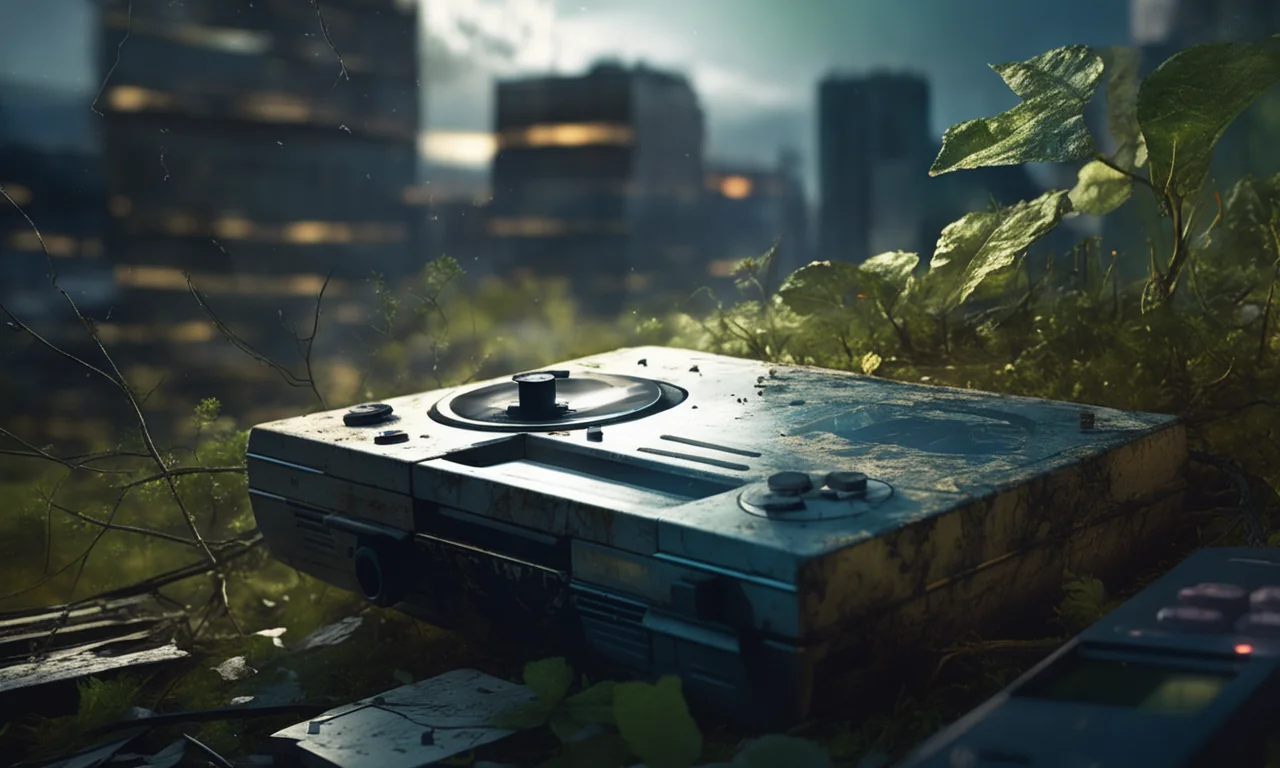
Despite all the excitement, a darker current runs beneath today's #gaming conversations. The images from Once Human's ruined cityscapes and the plaintive question posed by “Is there still hope?” reveal a fascination with collapse and survival. These post-apocalyptic scenarios aren't just virtual escapes—they're reflections of real-world anxieties about the future, loneliness, and resilience.
"Perfect capture..."- ZI (1 point)
Today's gaming community is not simply chasing nostalgia or future releases; it's wrestling with existential questions in virtual form. The horror-driven artwork in Hellen's Door Encounter and the melancholic storytelling of Once Human demonstrate how games have become a canvas for exploring our deepest fears and hopes.
Journalistic duty means questioning all popular consensus. - Alex Prescott