
Microsoft Unveils Cloud Gaming Controller Amid Hardware Innovation
The industry is accelerating platform-agnostic gaming while facing debates over AI and cultural diversity.
The Bluesky gaming and news community is abuzz with innovation, controversy, and a deepening appreciation for diversity. Today's discussions trace the evolution of gaming hardware, the celebration of unique cultural settings, and the ongoing debate over AI's place in creative spaces. The conversation reflects an industry in motion, balancing progress with tradition and user expectations.
Hardware Disruption and Cloud Gaming Evolution
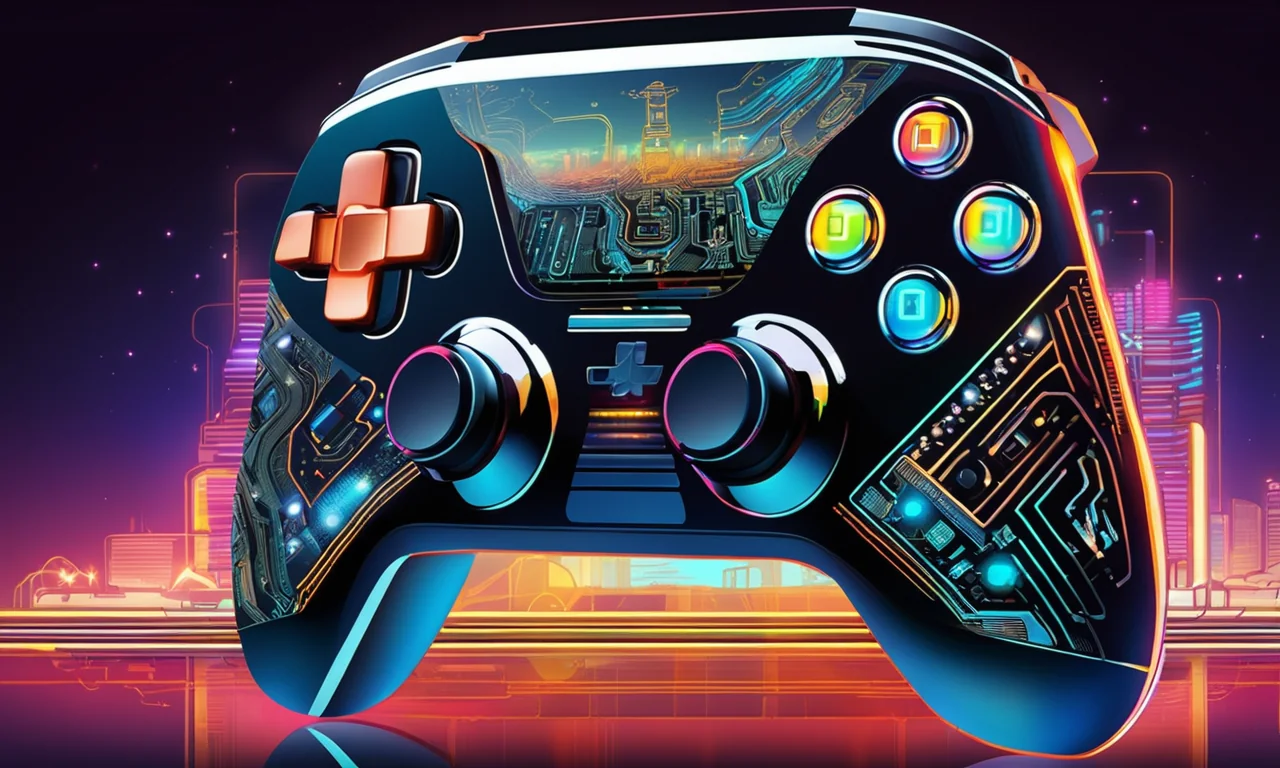
Microsoft's push toward cloud gaming is reshaping hardware expectations, as evidenced by the leaked Xbox Cloud Gaming controller that boasts direct Wi-Fi connectivity and rechargeable batteries—a step toward seamless game streaming. The news has been amplified by additional coverage, with commentary from industry observers highlighting how this device aims to reduce latency and mimic Stadia's successful controller strategy, signaling Microsoft's commitment to cloud-first experiences.
"Kinda looks like it's been in the oven too long"- @catgirlfingies.quest (19 points)
Meanwhile, AMD's FSR Upscaling 4.1 announcement for RDNA 2 and 3 cards fuels optimism for improved graphics across platforms, especially as users anticipate official Linux support. Valve's Steam Beta update further highlights the drive to refine user experience, addressing controller firmware, Big Picture Mode lag, and Linux compatibility. This synergy between hardware and software upgrades points to a future where gaming is increasingly platform-agnostic and accessible.
"The Big Picture Mode updates I really want to see is the UI lag fixed. It's hard to navigate quickly on the Steam deck and desktop BPM and it frequent just drops button presses."- @weston.lol (2 points)
Cultural Diversity and Preservation in Gaming
Game settings are breaking new ground, with Canadian landscapes gaining prominence thanks to efforts like Brad Shankar's feature on games set in Canada. Developers are embracing diverse stories, from urban Montreal to Acadian Nova Scotia, and their work is resonating with both local and international audiences. The ongoing Space Haven 1.0 release and the announcement that The Talos Principle 3 is coming soon underscore the indie community's commitment to fresh narratives and inventive mechanics.
"As someone who works in the industry in Montreal and is constantly asking why we don't show it more, thank you for writing this"- @kaboissonneault.bsky.social (2 points)
Preservation remains a central concern, with classics like Metro 2033 and Metro: Last Light entering the GOG Preservation Program, ensuring the longevity of foundational works. The community's reaction to Osprey's historical gaming legacy reflects a desire to honor those who expand gaming's reach and maintain its cultural relevance.
Controversy and the AI Dilemma
AI's encroachment on creative domains has sparked debate, with Party Animals facing review bombs after launching an AI video contest. While the move signals a shift toward generative content, player backlash underscores concerns about the value of human creativity and the impact of AI on gaming culture. The controversy is indicative of broader anxieties about technology's role in shaping artistic expression.
"Interesting to see the backlash. Is the negative sentiment from players who feel AI-generated content devalues human creativity, or is it more about the implementation?"- @shadowfetch (0 points)
As the gaming industry navigates these crossroads, the tension between innovation and authenticity remains front and center, challenging developers and communities to rethink the boundaries of engagement and creative contribution.
Every community has stories worth telling professionally. - Melvin Hanna